
Do I Legally Need a Health and Safety Consultant for My Business?
Do you legally need a Health and Safety consultant? Not necessarily. But every employer needs access to competent Health and Safety assistance. In this article, Ben Cronin explains what the law actually requires, when you can manage Health and Safety internally, and when external consultancy could genuinely add value to your business.
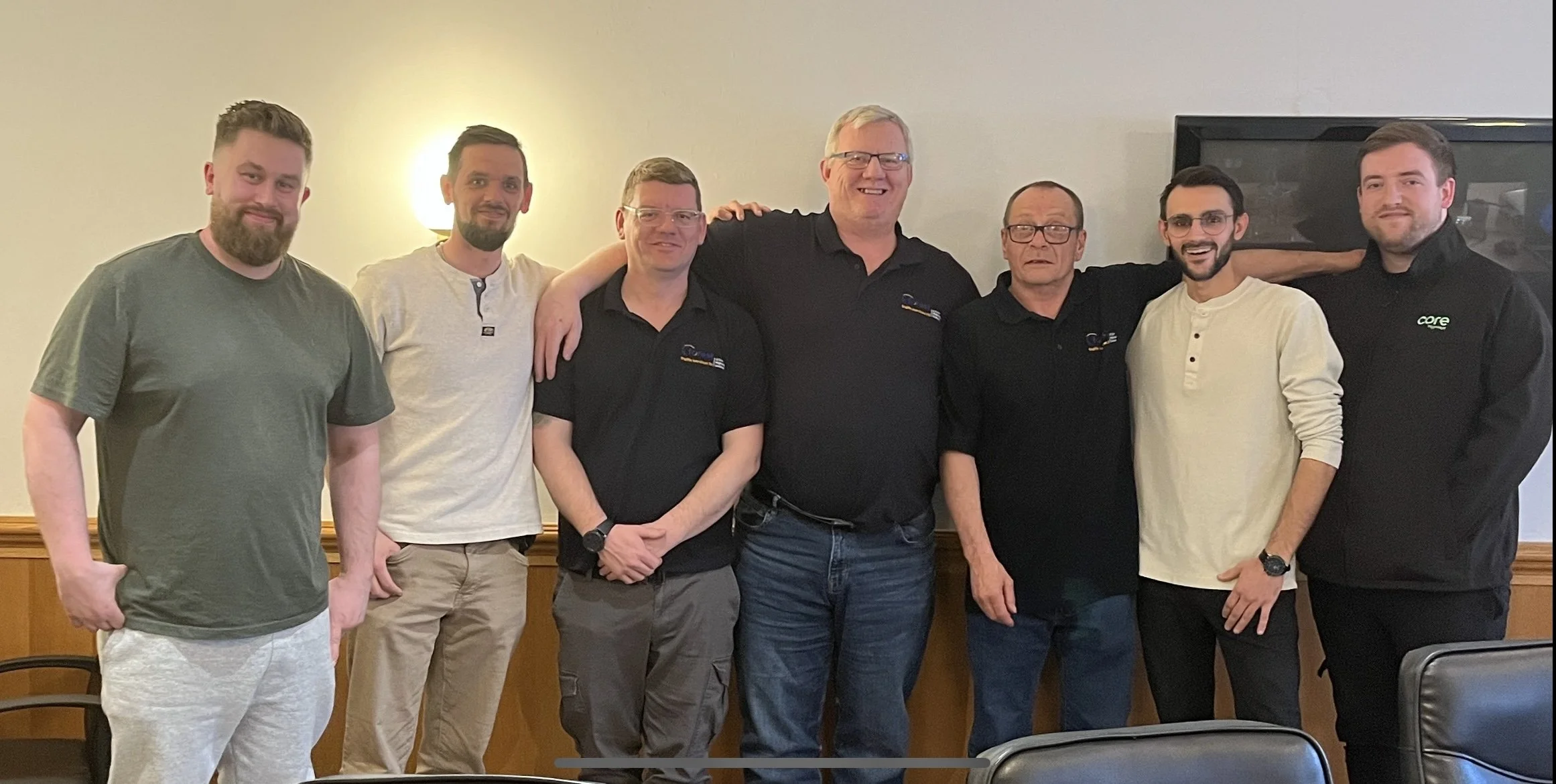
Case Study: From Silence to Speaking Up, Building a Stronger Safety Culture
Discover how a workforce-led Safety Spokesperson Forum helped strengthen communication, build trust and create a more open safety culture by giving people the confidence and opportunity to speak up.

Integrating Quality, Environmental and Health & Safety Management Systems
Quality, environmental and health & safety management systems are often managed separately, creating duplicated processes and unnecessary complexity. Discover how integrating these systems can improve consistency, reduce duplication and support more effective organisational performance.

What Should You Do Following a Workplace Accident?
Knowing what to do after a workplace accident is essential for protecting people, meeting legal duties and preventing similar incidents. This guide outlines the practical steps every organisation should take following a workplace accident.

What is a Competent Person under UK Health and Safety Law?
Competence in health and safety isn't simply about qualifications or paperwork. This article explores what being a Competent Person really means and why people, experience and practical understanding matter most.
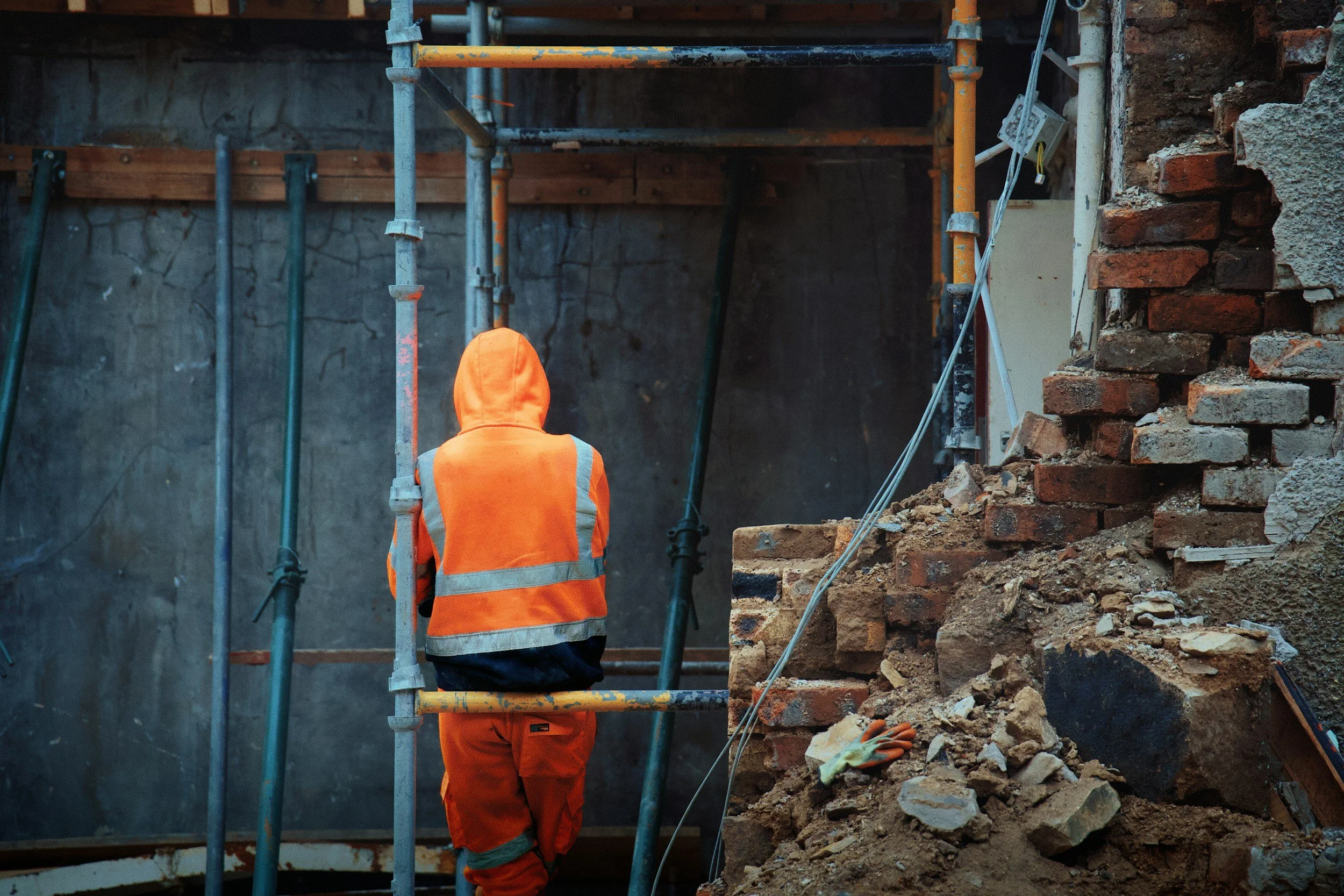
The Construction Industry Has a Mental Health Challenge We Can No Longer Ignore
Mental health in the construction industry remains one of the sector's biggest challenges, particularly for men who often face pressure to stay silent about their struggles. As awareness of construction industry mental health continues to grow, organisations must focus on breaking the stigma around mental health and creating innovative support systems that help construction workers access the wellbeing resources they need. By prioritising mental health and wellbeing in construction, we can build safer, healthier, and more resilient workplaces for everyone.
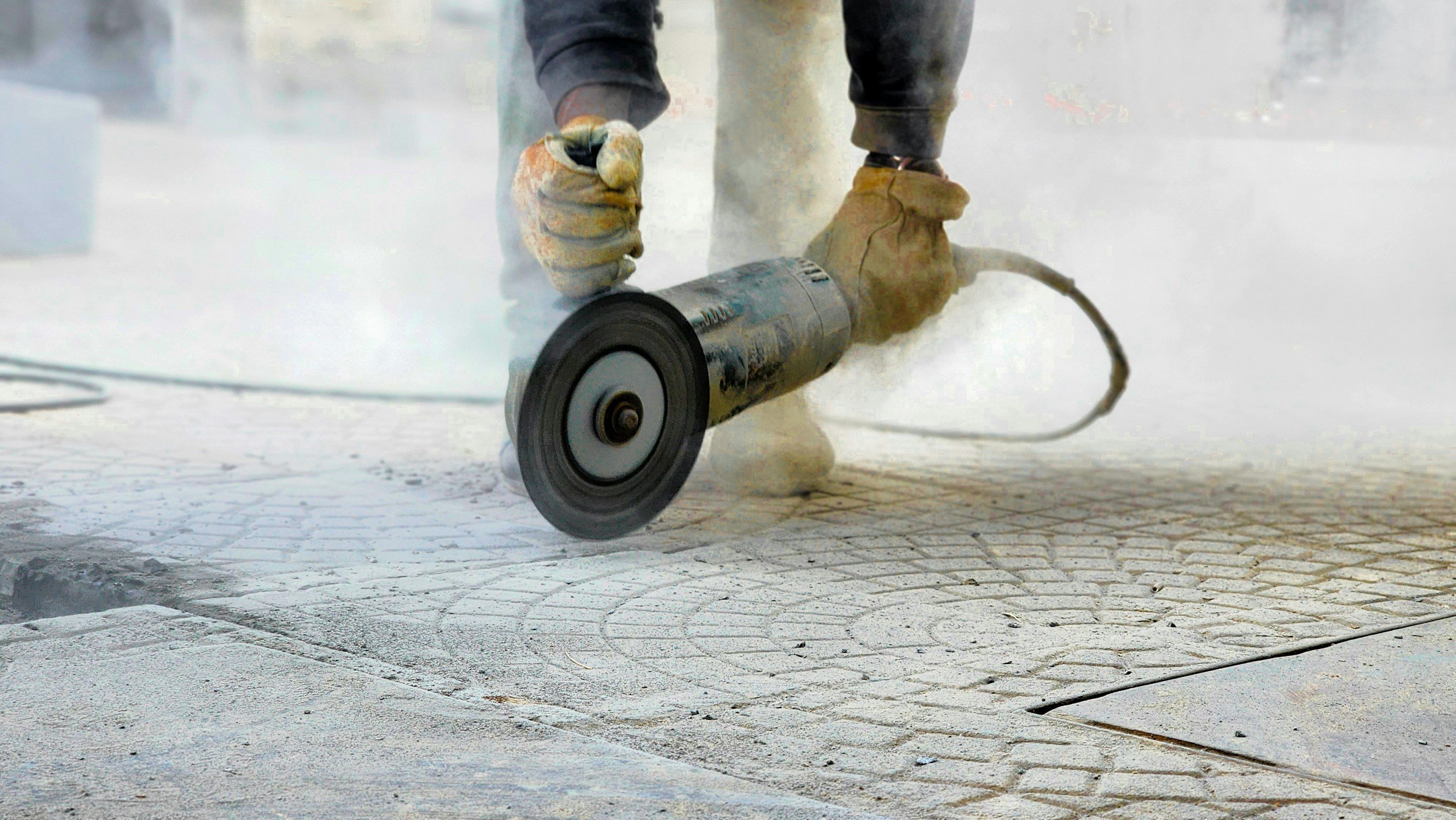
The Hidden Risk of Dust From Abrasive Wheels on Construction Sites
Construction dust created by abrasive wheel activities can have serious long-term health consequences, including silicosis, COPD and lung disease. This blog explores the hidden risks of dust exposure on construction sites and why educating site teams on occupational health is just as important as implementing engineering controls. Discover how improving behavioural awareness can help create safer, healthier workplaces across the construction industry.